Home / T.M. Joint Ankylosis
Drop Your Number here
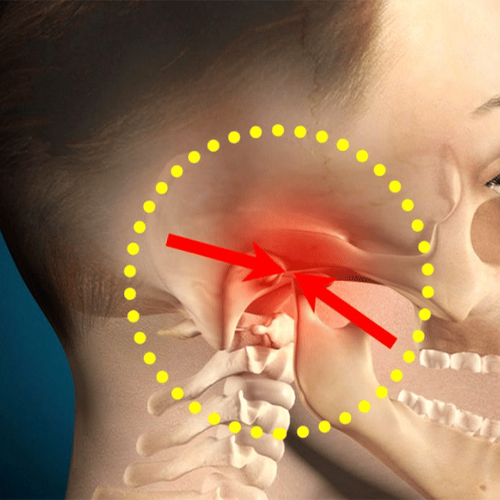
Temporomandibular Joint (TMJ) Ankylosis is a condition where the jaw joint becomes stiff or completely fused, restricting mouth opening. It can result from trauma, infection, arthritis, or childhood injury, and severely impacts a person’s ability to speak, eat, and maintain oral hygiene. In children, it can also affect facial growth and symmetry.
What We Do
Our surgical team specializes in the treatment of TMJ ankylosis through precise joint release and reconstruction procedures. Depending on the case, we may use gap arthroplasty, interpositional arthroplasty, or joint reconstruction using costochondral (rib) grafts or artificial implants.
Causes of TMJ Ankylosis
Injury to the jaw during childhood
Ear or jaw infections
Systemic arthritis
Congenital fusion or birth trauma
Previous surgery or radiation
Symptoms to Look For
Inability or difficulty in opening the mouth
Deviation of the jaw while opening
Facial asymmetry (especially in children)
Speech problems
Difficulty in eating and maintaining oral hygiene
Types of Surgical Treatments
Gap Arthroplasty – Removing the fused bone to create space
Interpositional Arthroplasty – Inserting tissue or material between bone surfaces to prevent re-fusion
Costochondral Grafting – Using rib bone to reconstruct the joint (ideal for growing children)
TMJ Prosthesis – For adults or complex cases where artificial joint replacement is required
Coronoidectomy – If muscle fibrosis limits jaw opening even after joint release
Benefits of Surgery
Restores mouth opening and jaw movement
Allows normal speech, eating, and oral care
Improves facial symmetry and growth in children
Enhances quality of life and confidence
Prevents long-term dental and skeletal problems
Post-Surgery Rehabilitation
Postoperative jaw physiotherapy is essential to maintain the range of motion and prevent re-ankylosis. Our team provides complete support, including exercises, diet guidance, and follow-ups.
Risks & Considerations
Recurrence if physiotherapy is not maintained
Risk of infection, nerve injury, or graft failure
Multiple surgeries may be needed in severe or relapsed cases