Home / Cleft Lip & Palate
Drop Your Number here
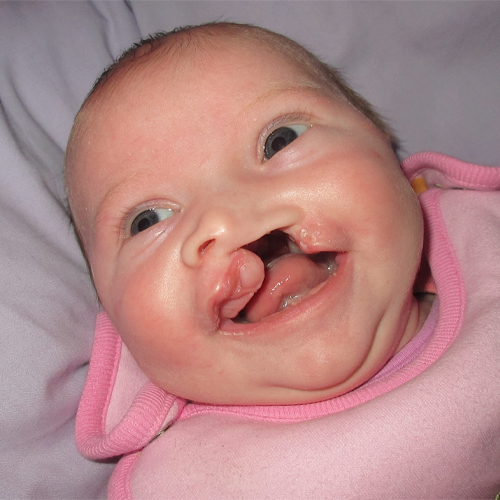
Cleft lip and cleft palate are among the most common congenital facial deformities. A cleft lip is a split or opening in the upper lip, while a cleft palate is a gap in the roof of the mouth. These can occur individually or together, affecting not just appearance but also feeding, speech, hearing, and dental development.
With timely, expert surgical intervention, children born with cleft conditions can lead healthy, confident lives with normal facial growth and speech development.
Clefts occur when facial structures fail to fuse properly during early fetal development. Causes may include:
Genetic predisposition
Nutritional deficiency during pregnancy
Environmental factors
Syndromic conditions (in some cases)
Early diagnosis through prenatal scans or post-birth evaluation is key.
Unilateral cleft lip (one side)
Bilateral cleft lip (both sides)
Incomplete or complete cleft palate
Submucous cleft palate
Combined cleft lip and palate
Each type requires a tailored surgical and therapeutic approach.
Cleft repair involves a multi-disciplinary, staged approach including surgery, speech therapy, dental care, and psychological support.
Cleft Lip Repair: Around 3–6 months of age
Cleft Palate Repair: Around 9–12 months
Speech Therapy: Begins post palate repair, continues as needed
Alveolar Bone Grafting: Usually at 8–10 years for dental arch development
Orthodontics & Secondary Surgery: As needed during adolescence
Rhinoplasty or Lip Revision: In late teens, if required
Restore normal appearance of the lip and nose
Close the gap in the roof of the mouth to separate nose and oral cavity
Enable normal speech, feeding, and breathing
Promote proper growth of facial bones and teeth
Minimize scarring and enhance facial harmony
Early repair significantly improves the child’s ability to:
Feed properly (especially with palate repair)
Develop clear speech
Integrate socially
Prevent hearing and ear infections
Build self-esteem from a young age
Expert plastic and craniofacial surgeons with pediatric focus
Use of advanced microsurgical and tissue-handling techniques
Child-centered care with anesthesia and post-op safety
In-house team of speech therapists, orthodontists, ENT, and pediatricians
Focus on minimal scarring and long-term aesthetics