Home / Mandible Advancement/Reduction
Drop Your Number here
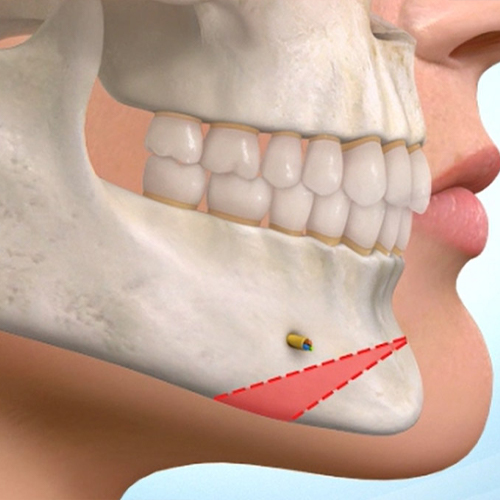
Mandibular advancement or reduction surgery is performed to correct jaw size and position when the lower jaw (mandible) is either too far back (retrognathia) or too far forward (prognathism). These conditions can lead to problems with bite alignment (malocclusion), facial symmetry, breathing, chewing, and overall appearance.
This corrective jaw surgery, also known as orthognathic surgery, helps bring the jaws, teeth, and facial profile into better alignment — improving both function and aesthetics.
What We Do
Our team of oral & maxillofacial surgeons carefully evaluates the patient’s facial structure, bite, and airway. We use advanced imaging and planning tools to perform:
Mandibular Advancement Surgery – Moving the lower jaw forward
Mandibular Reduction Surgery – Repositioning or reshaping an overly prominent lower jaw
Both procedures may be done in combination with orthodontic treatment for optimal results.
Who Needs This Surgery?
Individuals with receding or protruding lower jaw
Patients with bite problems like underbite, open bite, or crossbite
Those with obstructive sleep apnea due to jaw positioning
People with facial asymmetry or long face/short chin
Individuals unhappy with their jawline appearance
Benefits of Mandible Surgery
Corrects facial imbalance and jaw alignment
Improves chewing, speech, and breathing
Enhances facial aesthetics and self-confidence
Resolves chronic jaw pain (TMJ) in some cases
Increases airway space (helpful in sleep apnea)
Treatment Process
Pre-surgical orthodontics (6–12 months in most cases)
Surgical planning using 3D scans and bite models
Surgery under general anesthesia — involves bone cutting and repositioning
Fixation using plates and screws for stabilization
Recovery period with a soft diet and follow-up care
Post-surgical orthodontics for fine-tuning bite alignment (if needed)
Recovery & Aftercare
Swelling and numbness are common and gradually improve
Return to daily activities in 1–2 weeks (depends on case)
Full recovery may take 6–8 weeks
Follow-up includes oral hygiene, jaw exercises, and diet guidance
Risks & Considerations
Temporary numbness in lips or chin
Infection or relapse (rare)
Bite adjustments may take time post-surgery
Psychological readiness is important for major facial change